making of
Smithsonian: Stop-motion animators produce around 2 seconds of footage per day — and why that makes it accessible
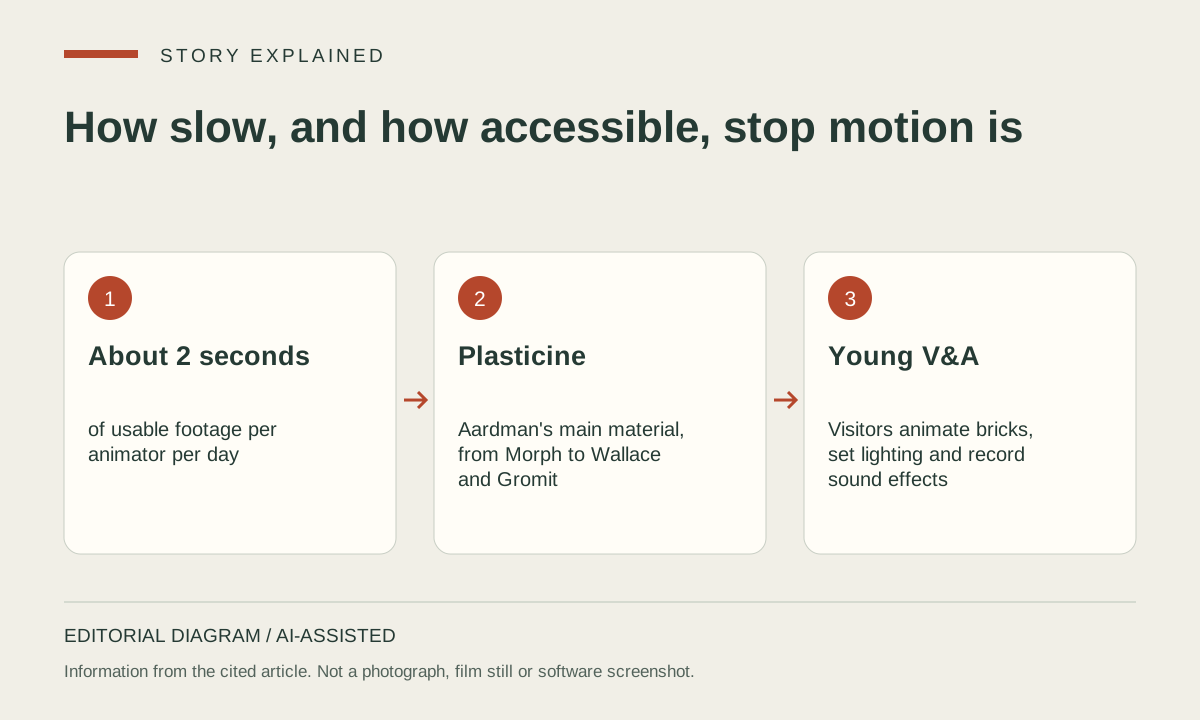
Smithsonian Magazine feature (approx. 2025), timed to an Aardman Animations retrospective at the Young V&A museum in London, documents the pace and materials of Wallace and Gromit stop-motion production. Key durable facts: each animator produces approximately two seconds of usable footage per day (or six seconds per week); Plasticine has been Aardman's primary material throughout its history — from the original Morph shorts through to the Wallace and Gromit features. A complete film takes multiple years from script to screen. The Young V&A exhibition allows visitors to experience stop-motion interactively — animating Lego bricks, controlling lighting and recording sound effects. The museum's chief curator noted that despite its slowness, 'it's one of the most accessible creative processes; even a small child can grasp it.' Production rate and Plasticine material facts archived to concepts/stop-motion body this run (published_date is approximate; article date not displayed at source URL).
People
Studios
Sources
Listed so you can verify every claim. Smithsonian Magazine
Suggest an edit
See something wrong or missing in this story? Edit the fields below or describe the correction in your own words. Everything is optional, and every change is reviewed against a source before publishing.