Collection
Fire in Stop Motion
6 films / Published
A living collection of stop-motion works that treat flame, firelight and smoke as designed craft problems, using sculpted substitutes, practical lighting and hybrid digital effects.
Collection essay
Fire is unusually difficult to control in stop motion because a real flame cannot simply hold a pose for the next exposure. Productions therefore decide which visual cues actually matter to a shot — the shape of the flame, the flicker of light, smoke, colour, or the way fire changes the surrounding miniature world — and choose a controllable method for each one. Fantastic Mr. Fox uses deliberately old-fashioned carved-soap fire and cotton-ball smoke, making the substitute material part of the film's graphic language. Isle of Dogs follows the same broader approach to organic phenomena, keeping their fabricated quality visible. The Boxtrolls solves a different part of the problem with miniature LEDs: changing illumination can communicate the presence and rhythm of fire even when the flame itself is not the main animated object. Hybrid productions divide the effect into physical and digital responsibilities. Kubo and the Two Strings developed its campfires digitally in Maya so their performance could feel natural while remaining inside the film's handcrafted style. Guillermo del Toro's Pinocchio began with a physical cheesecloth-and-wire flame study, then translated that handmade behaviour into a digital cloth simulation while preserving a repeatable flicker-light pass on the miniature set. Chuck Steel: Night of the Trampires likewise coordinated practical light, frame-by-frame exposures and VFX so the fire effects belonged to the photographed world. There is therefore no single correct stop-motion fire technique. A sculpted substitute gives exact frame-by-frame control; practical lighting gives convincing interaction with puppets and sets; digital or separately photographed elements can supply motion that is difficult to repeat on an animation stage. The companion Wiki article, Animating fire in stop motion, develops these choices into a transferable workflow and compares them with related miniature-effects practice outside stop motion. This is intentionally a living collection. Add new works when production evidence identifies a significant fire-expression method; do not identify techniques from the finished image alone.
Films in this collection (6)
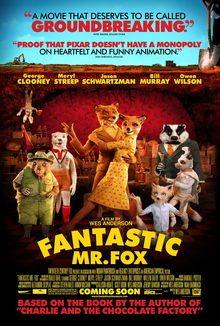 Fantastic Mr. Fox 2009 — Indian Paintbrush; Regency Enterprises; American Empirical; Mackinnon & Saunders
  Isle of Dogs 2018 — Indian Paintbrush; American Empirical Pictures; Rixfilm
  The Boxtrolls 2014 — LAIKA
  Kubo and the Two Strings 2016 — LAIKA
 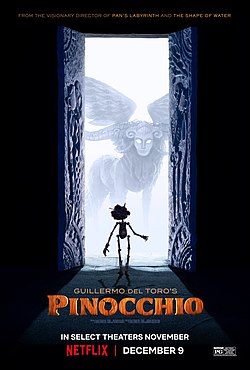 Guillermo del Toro's Pinocchio 2022 — ShadowMachine; Taller del Chucho; Netflix Animation; The Jim Henson Company; Mackinnon & Saunders
 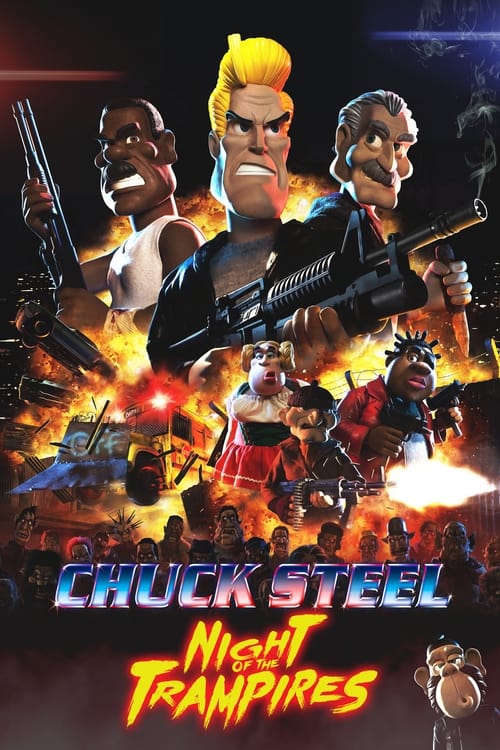 Chuck Steel: Night of the Trampires 2018 — Animortal Studio